
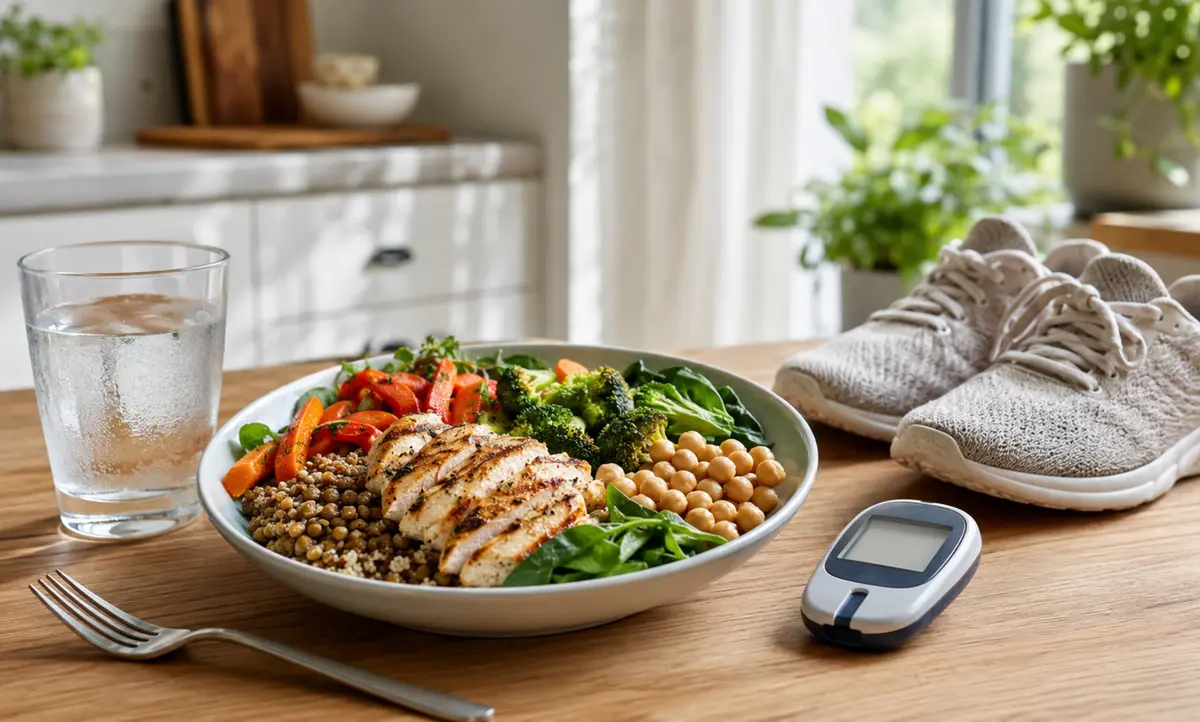
Insulin resistance can make losing weight feel frustrating. Hunger may return quickly, energy can dip after meals, and the scale may move more slowly than expected. The encouraging news is that insulin sensitivity can often improve. A realistic combination of nutritious food, regular movement, strength training, better sleep and gradual weight loss can make a meaningful difference.
People often search for how to reverse insulin resistance, but a more accurate goal is to improve insulin sensitivity. Some people with prediabetes can bring their blood sugar back into the normal range. Others may need long-term monitoring or medication. The right plan depends on test results, medical history, age and other health conditions.
This guide offers practical steps, not a quick cure. Speak with a qualified healthcare professional before making major diet or exercise changes, particularly if you take insulin or other glucose-lowering medicine, are pregnant, have an eating disorder, or live with heart, kidney or liver disease.
What Insulin Resistance Means for Your Body
Insulin is a hormone that helps glucose move from the blood into cells, where it can be used for energy. With insulin resistance, muscle, fat and liver cells do not respond to insulin as effectively as they should. The pancreas may initially produce more insulin to keep blood sugar within range. Over time, blood sugar can rise and prediabetes or type 2 diabetes may develop.
Insulin resistance is not always obvious. Some people notice tiredness, increased hunger, darkened skin around the neck or underarms, or a growing waistline, while others have no symptoms. These signs cannot confirm the condition by themselves.
Confirm Insulin Resistance Before Treating It
Do not diagnose insulin resistance from social media symptoms or a home glucose reading alone. A clinician may consider your family history, waist measurement, blood pressure, cholesterol, fasting glucose and A1C. An A1C below 5.7 percent is generally considered normal, 5.7 to 6.4 percent is in the prediabetes range, and 6.5 percent or higher is in the diabetes range. Diagnosis usually needs clinical confirmation.
A1C can be less reliable in some situations, including certain blood disorders, pregnancy and recent blood loss. Your clinician may recommend fasting glucose or another test. Ask what your result means for you and when it should be checked again.
How Insulin Resistance Can Affect Weight Loss
Higher insulin levels can encourage the body to store energy, while changing blood sugar may affect hunger and food cravings. However, insulin resistance does not make weight loss impossible. It means the plan should focus on habits that control appetite, protect muscle and can be continued for months rather than days.
Crash diets often create a cycle of restriction and overeating. A smaller calorie deficit, adequate protein, high-fibre foods and regular activity are usually more sustainable. If your progress has stalled, review these common weight loss mistakes before cutting food more aggressively.
Build Meals That Improve Insulin Sensitivity
You do not have to remove every carbohydrate. The type, amount and combination of food matter. A simple plate method can make meals easier to plan:
- Fill half the plate with non-starchy vegetables such as leafy greens, beans, cauliflower, cucumber, okra, peppers or broccoli.
- Use one quarter for protein such as fish, chicken, eggs, tofu, lentils, Greek yoghurt or low-fat paneer.
- Use the remaining quarter for a high-fibre carbohydrate such as brown rice, oats, wholegrain roti, quinoa, beans or sweet potato.
- Add a modest amount of unsaturated fat from nuts, seeds, avocado or olive oil.
Protein and fibre generally help a meal feel more satisfying. Whole fruit is usually a better everyday choice than juice because it retains fibre and is easier to portion. Water, unsweetened tea or coffee can replace sugary drinks.
Foods to Eat More Often
- Vegetables, pulses, beans and lentils
- Whole fruit in sensible portions
- Fish, eggs, lean meat, tofu and unsweetened dairy
- Oats, barley, whole grains and minimally processed starches
- Nuts and seeds in small portions
Foods to Limit Without Creating Fear
Reduce sugary drinks, sweets, oversized bakery items, refined snack foods and frequent large portions of white rice or white bread. These foods do not need to be treated as poison. Occasional portions can fit into a balanced plan, but they should not crowd out protein, vegetables and fibre.
Use Exercise to Help Glucose Enter Your Muscles
Movement is one of the most useful tools for improving insulin sensitivity. Working muscles use glucose, and regular activity can help the body respond better to insulin. Adults should generally work towards at least 150 minutes of moderate activity each week, such as brisk walking, cycling or swimming.
Start at your current level. A 10 to 15 minute walk after one or two meals is a practical beginning. Gradually increase the time and pace. Try not to leave more than two consecutive days without activity if your health allows.
Strength training is also important because muscle is active tissue that uses glucose. Aim for two or three sessions a week with rest between sessions. Squats to a chair, wall push-ups, resistance bands and light weights are useful options. A physiotherapist or trainer can adapt movements if you have joint pain or limited mobility.
Aim for Gradual Weight Loss, Not a Crash Diet
If you are overweight, losing even 5 to 7 percent of your starting weight can improve health and substantially lower the risk of progressing from prediabetes to type 2 diabetes. For a person weighing 90 kilograms, that is approximately 4.5 to 6.3 kilograms. The benefit does not depend on reaching a so-called perfect weight.
A reasonable rate is often around 0.25 to 0.75 kilogram per week, although progress varies. Track the trend over several weeks because salt, digestion, hormones and hydration can change daily scale weight. Waist measurement, energy, fitness and laboratory results also show progress.
Sleep and Stress Matter for Insulin Resistance
Short or irregular sleep can increase appetite and make healthy choices harder. Most adults should aim for roughly seven to eight hours of sleep, with a consistent bedtime and wake time. Reduce bright screens late at night, keep the room cool and dark, and seek medical advice for loud snoring, gasping or persistent daytime sleepiness.
Stress does not need to disappear before health can improve. Use manageable tools such as a daily walk, breathing exercises, prayer, journaling, time outdoors or speaking with someone you trust. If anxiety, low mood or emotional eating feels difficult to control, professional support can be part of insulin resistance care.
A Four-Week Insulin Resistance Action Plan
Week One: Measure Your Starting Point
Book a medical check if needed, record your weight and waist without judgment, and note what you eat for three typical days. Replace one sugary drink each day with water and walk for 10 minutes after dinner.
Week Two: Improve the Plate
Add vegetables to lunch and dinner, include protein at breakfast, and choose a higher-fibre carbohydrate most days. Continue walking and add one short strength session.
Week Three: Build Consistency
Move towards 150 minutes of activity across the week and complete two strength sessions. Plan simple meals before busy days so convenience does not always mean highly processed food.
Week Four: Review and Adjust
Look at the overall trend, not one weigh-in. Keep the habits that were easy, simplify those that were difficult, and agree with your clinician on when to repeat blood tests. You can find more practical wellness coverage in our Lifestyle section.
Can Medicine Help Reverse Insulin Resistance?
Lifestyle changes remain important, but some people also benefit from medicine. Metformin may be considered for certain people with prediabetes or diabetes. Other medicines, including GLP-1 based treatments, may be prescribed for type 2 diabetes or weight management when appropriate. These drugs have benefits, side effects, eligibility rules and costs that require individual medical assessment.
Do not buy prescription weight loss medicine from an unverified seller. Never start, stop or change diabetes medication because of an online article. Losing weight or changing carbohydrate intake can alter medicine needs, so glucose levels may require closer monitoring.
How to Know Whether Insulin Sensitivity Is Improving
Useful signs include a gradually smaller waist, improved stamina, fewer energy crashes and a sustainable weight trend. Laboratory improvement may appear in fasting glucose, A1C, triglycerides or other measures selected by your clinician. Because A1C reflects roughly the previous two to three months, it does not change overnight.
Seek prompt medical care for excessive thirst, frequent urination, unexplained weight loss, blurred vision, vomiting, severe weakness or very high glucose readings. These can signal significant high blood sugar and should not be managed with lifestyle advice alone.
Insulin Resistance and Weight Loss FAQs
Can insulin resistance be reversed completely?
Insulin sensitivity can often improve considerably, and some people with prediabetes return to a normal blood sugar range. Results depend on the cause, duration, genetics and health conditions, so continued monitoring remains important.
How much weight should I lose to improve insulin resistance?
For people who are overweight, losing about 5 to 7 percent of starting weight can provide meaningful benefits. Your clinician can help set a safe target based on your health and body composition.
What is the best breakfast for insulin resistance?
A satisfying breakfast usually combines protein and fibre, such as eggs with vegetables and wholegrain toast, unsweetened yoghurt with nuts and berries, or oats with seeds and a protein source.
Should I avoid carbohydrates completely?
No. Many high-fibre carbohydrate foods provide nutrients and can fit into a balanced plan. Focus on portions, minimally processed choices and combining carbohydrates with protein, vegetables or healthy fat.
Does walking after meals help insulin resistance?
A short walk after a meal can help working muscles use glucose and may reduce the post-meal blood sugar rise. Begin gently and follow medical advice if you have heart, balance or foot problems.
How long does it take to improve insulin resistance?
Some glucose responses can improve soon after activity, while changes in weight and A1C take weeks to months. Consistent habits and follow-up testing provide a clearer picture than a short challenge.
Can medication help with insulin resistance and weight loss?
Medication can help selected patients, but the right treatment depends on diagnosis, risk, other conditions and potential side effects. Use prescription medicine only with a qualified healthcare professional.
Final Advice for Reversing Insulin Resistance
Begin with one repeatable change: a vegetable-rich plate, a short walk after dinner, a consistent bedtime or a strength session twice a week. Combine these habits gradually, measure progress over months and use medical tests to guide decisions. Improving insulin sensitivity is not about perfection. It is about building a routine that supports blood sugar, preserves muscle and helps weight come down safely.